
Für all jene, die nicht bei der FAIR Online Konferenz teilnehmen konnten, hier eine kurze Zusammenfassung der wesentlichen Beiträge und Diskussionen:
Currently the PROTAX project on tax crime is organising national workshops with stakeholders across Europe to discuss and test the set of tool kits, developed during the research so far. These workshops bring together Financial Intelligence Units, tax authorities, customs and experts from financial service industry and public prosecutors.
This blog post will try to deal with the increasing risk of sex worker’ marginalization in Germany through the state’s protective measures. To do this, I will summarize how prostitution in Germany is legally and politically framed and what this means for the rights of sex workers and the policing thereof.
In this lecture Reinhard Kreissl talks about perceptions of security, the role of the media and a permanent arousal, infrastructural security, mundane security concerns and „the security paradox“. The lecture was held in the framework of the SOURCE project and has lost nothing in its topicality.
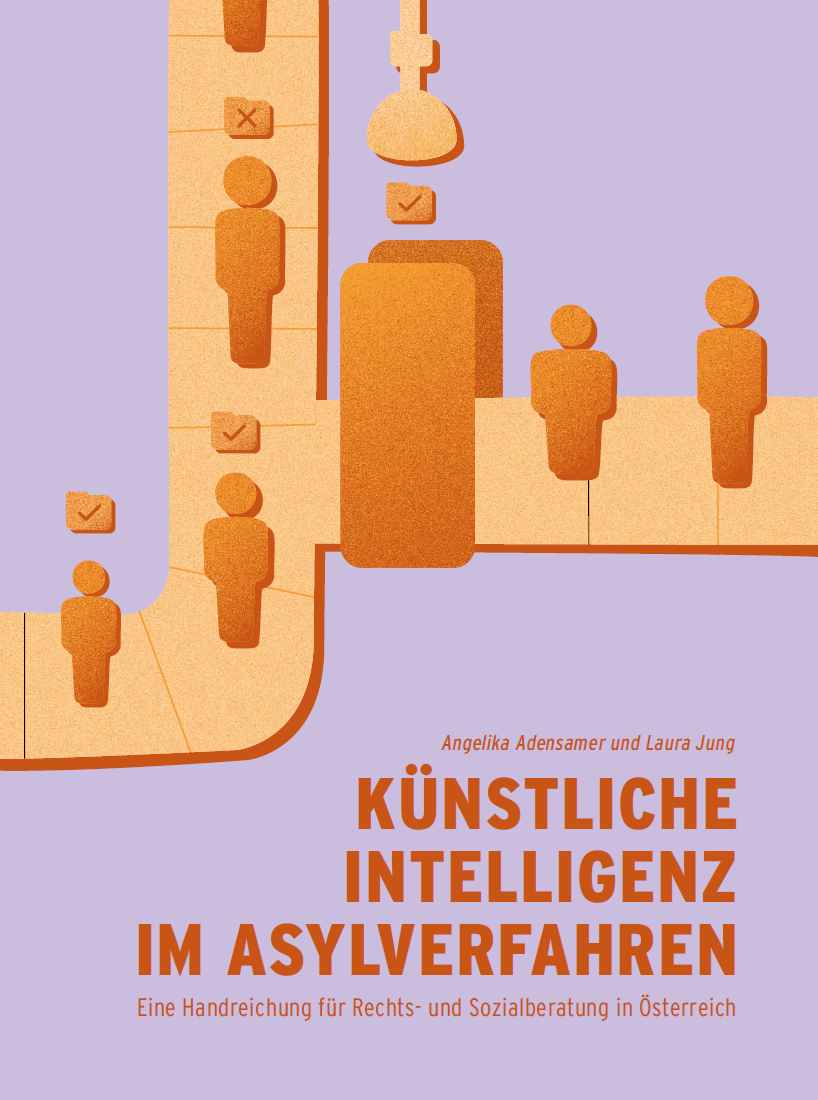
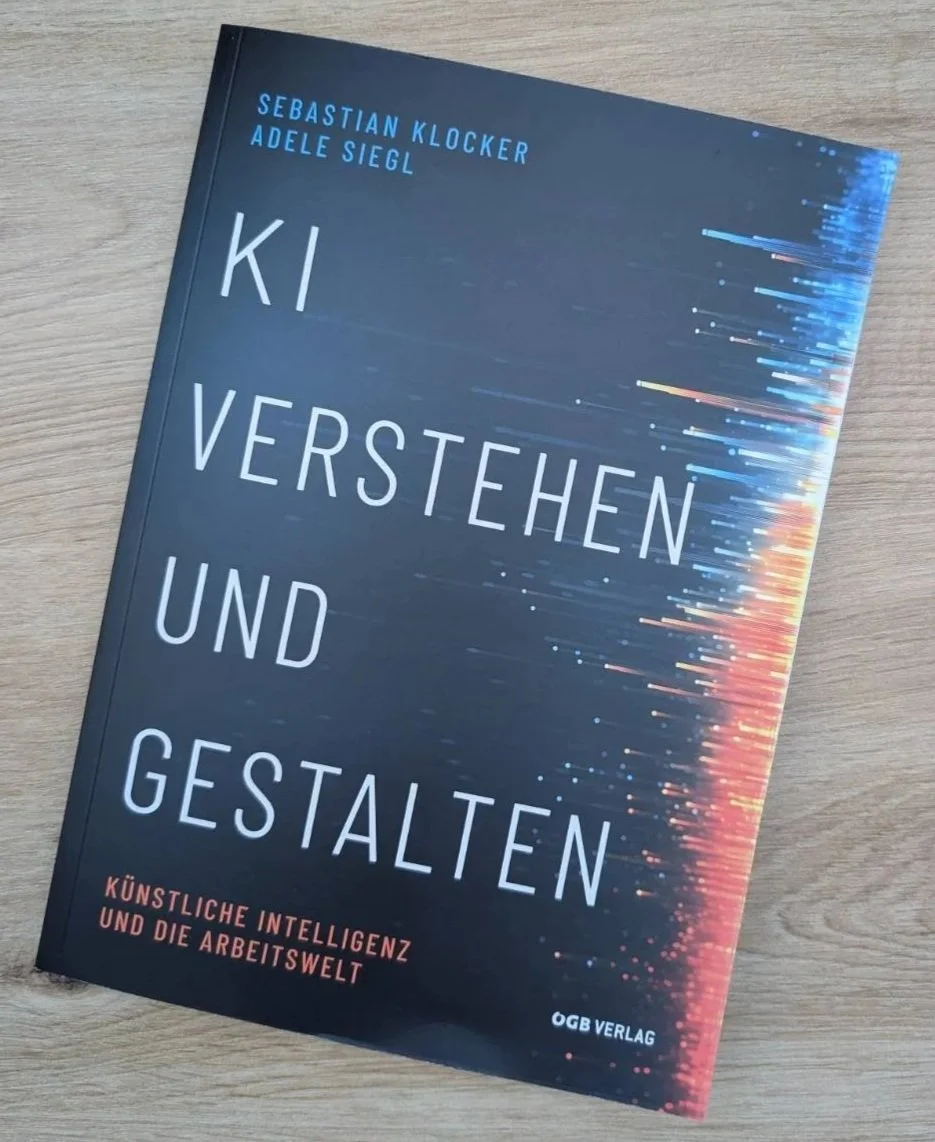
This is the start of a new blog series, which critically addresses the use of algorithms and machine learning in our society, highlighting the issues that emerge, what can be done to address these issues – from a technological and from a societal point of view, as well as periodically informing about the findings from the research project FairAlgos. This opening blog tackles the question of how algorithms can be biased in the first place. What does it mean to talk about algorithmic discrimination?
Die rasante Verbreitung des Corona Virus hat auch eine Pandemie der literarischen Produktion erzeugt. Krisenkolumnen jeglicher Couleur demonstrieren, wie sich die Aufregung der Köpfe bemächtigt, moralische Erregung um sich greift und in den Laboren und Denkstuben wächst ungeahnte zeitdiagnostische Expertise nebst entsprechenden Ratschlägen und Warnungen heran.
This blog post will try to deal with the increasing risk of sex worker’ marginalization in Germany through the state’s protective measures. To do this, I will summarize how prostitution in Germany is legally and politically framed and what this means for the rights of sex workers and the policing thereof.
In this lecture Reinhard Kreissl talks about perceptions of security, the role of the media and a permanent arousal, infrastructural security, mundane security concerns and „the security paradox“. The lecture was held in the framework of the SOURCE project and has lost nothing in its topicality.
This is the start of a new blog series, which critically addresses the use of algorithms and machine learning in our society, highlighting the issues that emerge, what can be done to address these issues – from a technological and from a societal point of view, as well as periodically informing about the findings from the research project FairAlgos. This opening blog tackles the question of how algorithms can be biased in the first place. What does it mean to talk about algorithmic discrimination?
Die rasante Verbreitung des Corona Virus hat auch eine Pandemie der literarischen Produktion erzeugt. Krisenkolumnen jeglicher Couleur demonstrieren, wie sich die Aufregung der Köpfe bemächtigt, moralische Erregung um sich greift und in den Laboren und Denkstuben wächst ungeahnte zeitdiagnostische Expertise nebst entsprechenden Ratschlägen und Warnungen heran.
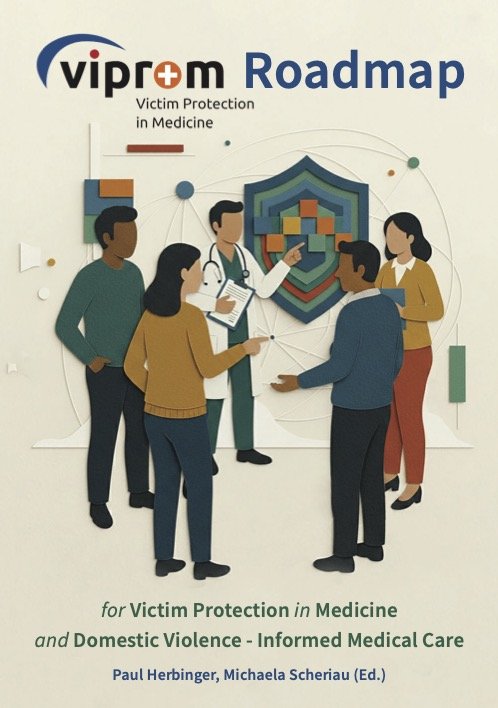
In almost all European Member States, and within a few weeks public life has largely come to a halt. The restrictions put in place by Governments as a measure against the further spread of the Covid-19 Virus have raised concerns among practitioners and activists: will the lockdowns result in higher numbers and more sever forms of Domestic Violence? Does the relegation into the private sphere increase the violence? What do we know? And what can be done to mitigate the risks of high impact domestic abuse?
VICESSE analyse how the COVID-19 pandemic is changing the (cyber-)crime landscape.
-
RT @improdova: 7th day of #16Days #OrangeTheWorld The #lockdown has different #effects on #DV. How this has been expressed in th… https://t.co/gCUDEfGyQD
-
RT @jennysommer: Thanks to @FAIRproject1 @vicesse @NetLawBG for the great conference and the development of the multilingual FAIR-to… https://t.co/7Z66NraT1G
-
RT @_Blickpunkte: Technik stärkt Rechte Beschuldigter https://t.co/JVQWzZLvGL
-
RT @FAIRproject1: And here comes the conference programme! See you there! 👉https://t.co/bhbdrvOWtl #8daysandcounting #BeFAIR… https://t.co/cfr29PZ6kw
-
FAIR conference program and registration: https://t.co/DQ0OGgMiBR #digitalisation #proceduralrights https://t.co/bndSSUB9MX
Paul Herbinger, Marion Neunkirchner and Norbert Leonhardmair have published a paper on the value of analysing the differences in national implementations of international legislation to fight domestic violence.